For Owners of a Dog That Cannot Be Left Alone
Why Your Dog Panics When You Leave
The threshold-based protocol behind the guide, and the seven things about it that generic advice gets wrong. A single behaviour consultation with a certified trainer or veterinary behaviourist runs $90–250 an hour. This is the same protocol, written down, for $49.95.
 Check Offer Availability
Takes you to the secure Whop checkout for the complete kit.
What it usually looks like
- Chewing and scratching concentrated at doors and windows — the exit points, not random damage.
- Howling or crying that starts within minutes of the door closing, and stops the moment you're back.
- Accidents in the house that happen only when you're out — never when you're home.
- Pacing, panting or drooling before you've even left, at the sound of keys or shoes.
- A dog that goes quiet and stops eating while you're gone — the one nobody notices, because there's nothing left to clean up.
The "guilty" look at the door
Your Dog Is Not Angry With You
The crouch, the averted eyes, the slow tail when you walk back in — it reads like a confession. Research that manipulated whether dogs had actually gotten into anything found the "guilty look" tracks a cross or scolding human arriving, not the four hours you were gone. Lesson one in the guide covers what the look actually is, and why punishing it teaches a dog nothing about the destruction it's attached to.
Anxious, or just bored?
Not Every Dog Left Alone Is Anxious
A chewed shoe or a soiled rug is not a diagnosis. The guide's second lesson gives the one test that actually separates a bored dog from a panicking one: does it also happen when you're home? Bored dogs generally stop; anxious dogs tend to persist — and that difference decides which of the rest of the protocol applies.
What actually happens after the door closes
The Camera Is the Only Honest Witness
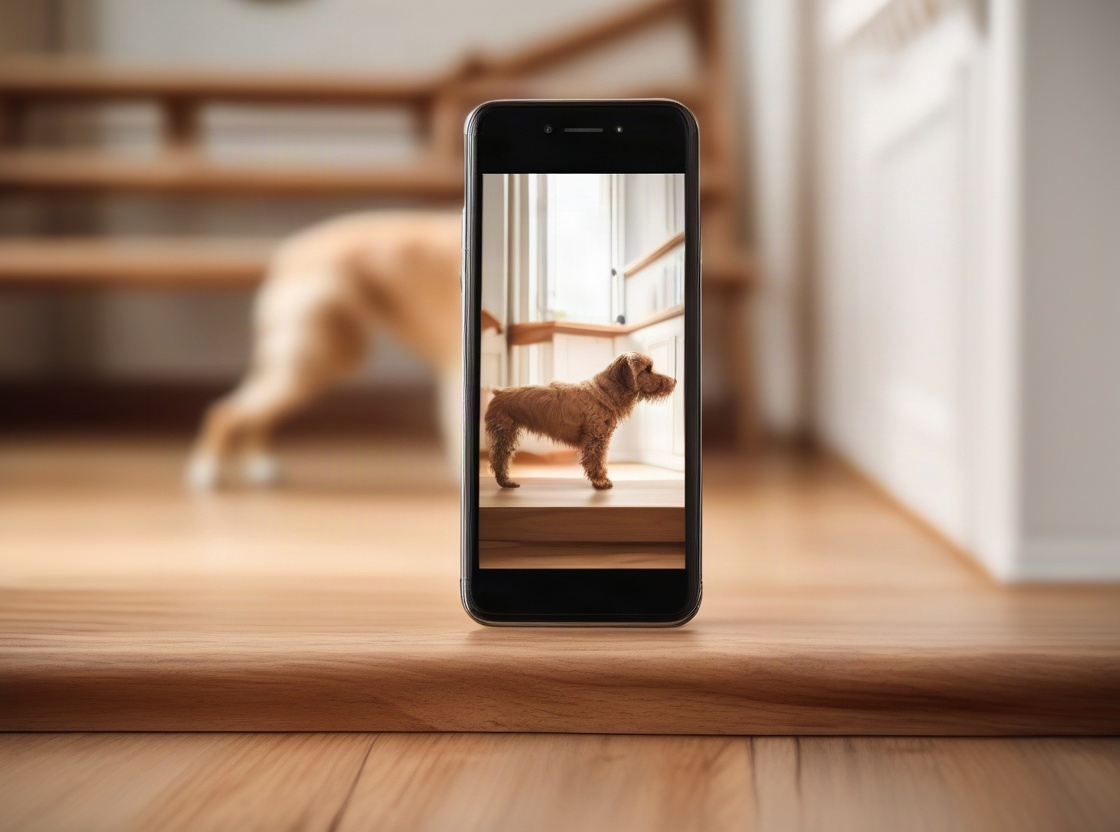
The quiet dogs are the ones nobody notices — no chewing, no barking, just a dog that stops eating and lies still until the door opens again. The guide's protocol starts with phone footage of the first minutes alone: when the first sign shows, what it is, and whether it settles or escalates. That footage becomes the number the rest of the plan runs against.
Why "just five minutes" already went too far
The Threshold Is the Whole Mechanism

Distress vocalisation can start within the first few minutes of a departure — often before the advice to "just leave him for five minutes" has even finished playing out. The guide's core method works below that number, never above it: a threshold specific to your dog, built up in seconds at a time rather than the five- and ten-minute jumps most advice recommends.
Why the mailbox run still ends in a meltdown
The Absence Is the Exercise / The Rule Nobody Wants: Suspend Real Absences
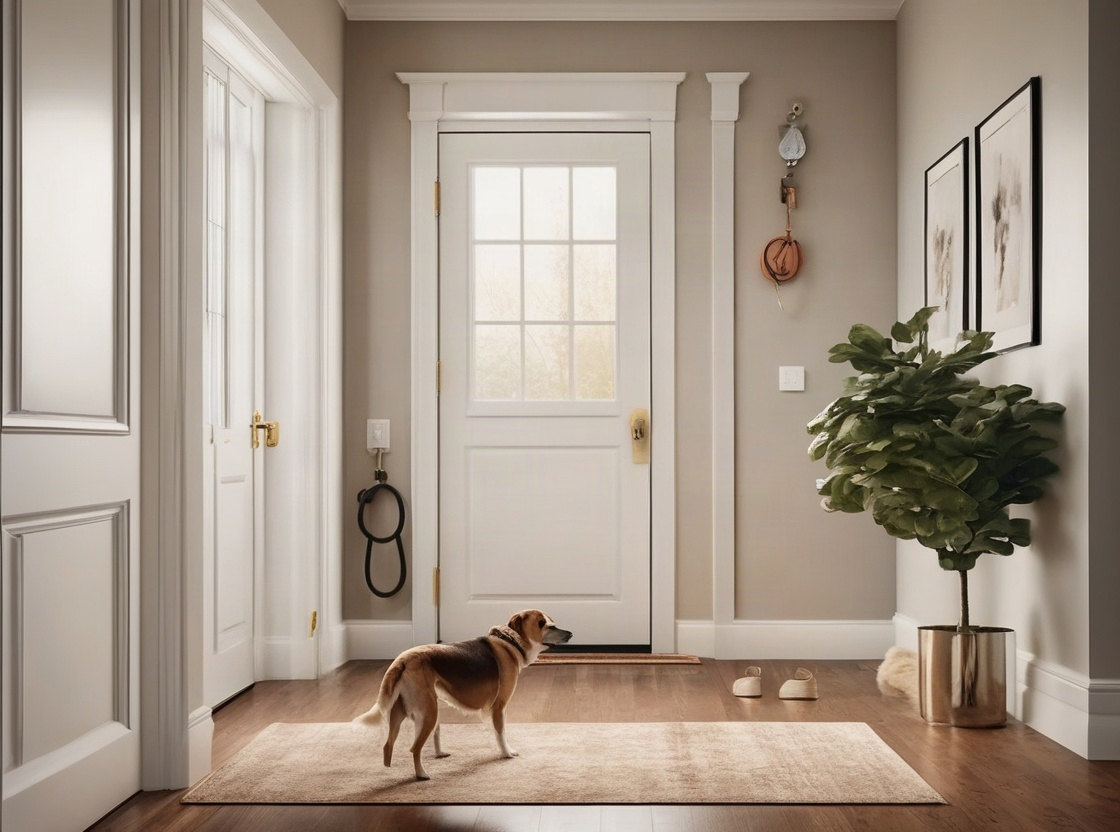
Training four-second absences in the evening while still leaving for work every morning runs two opposite procedures on the same dog, and the eight-hour absence wins. The guide's hardest instruction — suspend real absences while the training absences build up — is lesson six, and the Absence Ladder tracker included in the complete kit is what you log each session against.
The crate, the bark collar, the second dog
What Does Not Work, and What It Costs You
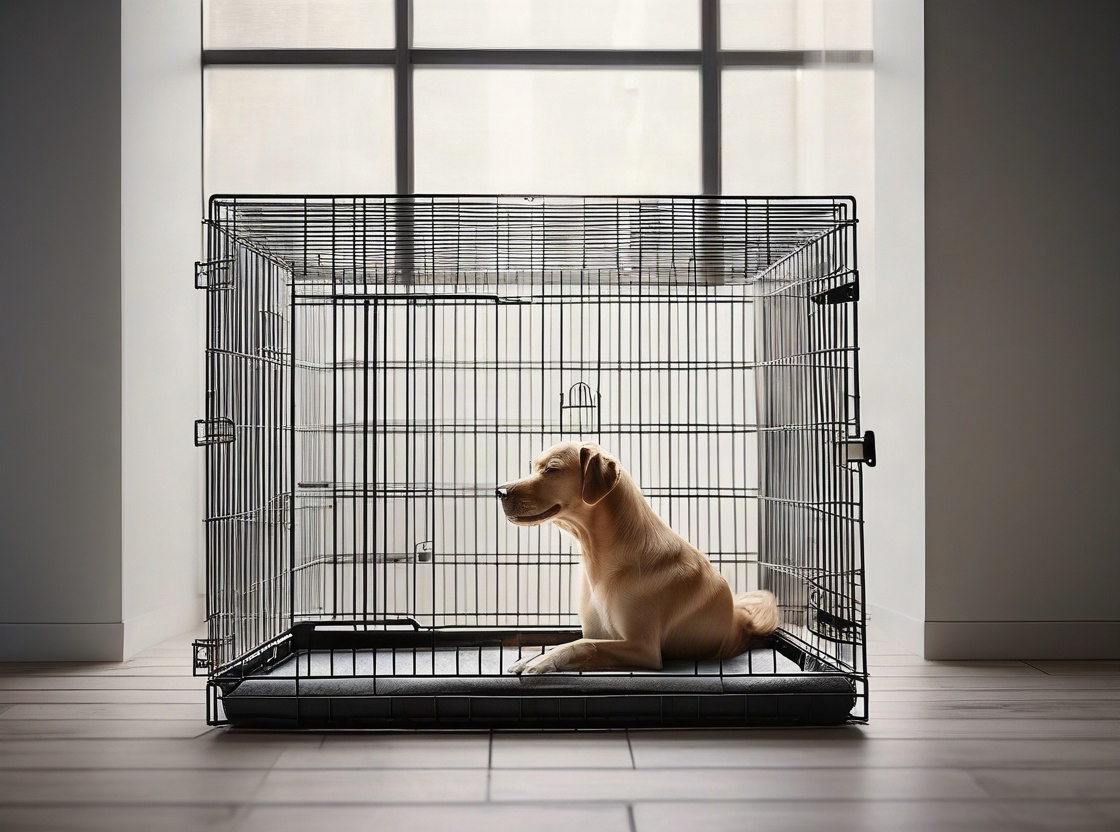
A crate confines a dog that is trying to escape, and escape attempts are where the damaged toenails and chewed doorframes come from. A second dog only helps if the panic is about being alone at all — not about you specifically leaving. Lesson seven works through what does not work and why, so the next round of time and money goes toward something that has a mechanism behind it.
When it needs a vet, and what a bad week means
When Medication Belongs in the Plan / Plateaus, Relapse, and What Recovery Looks Like
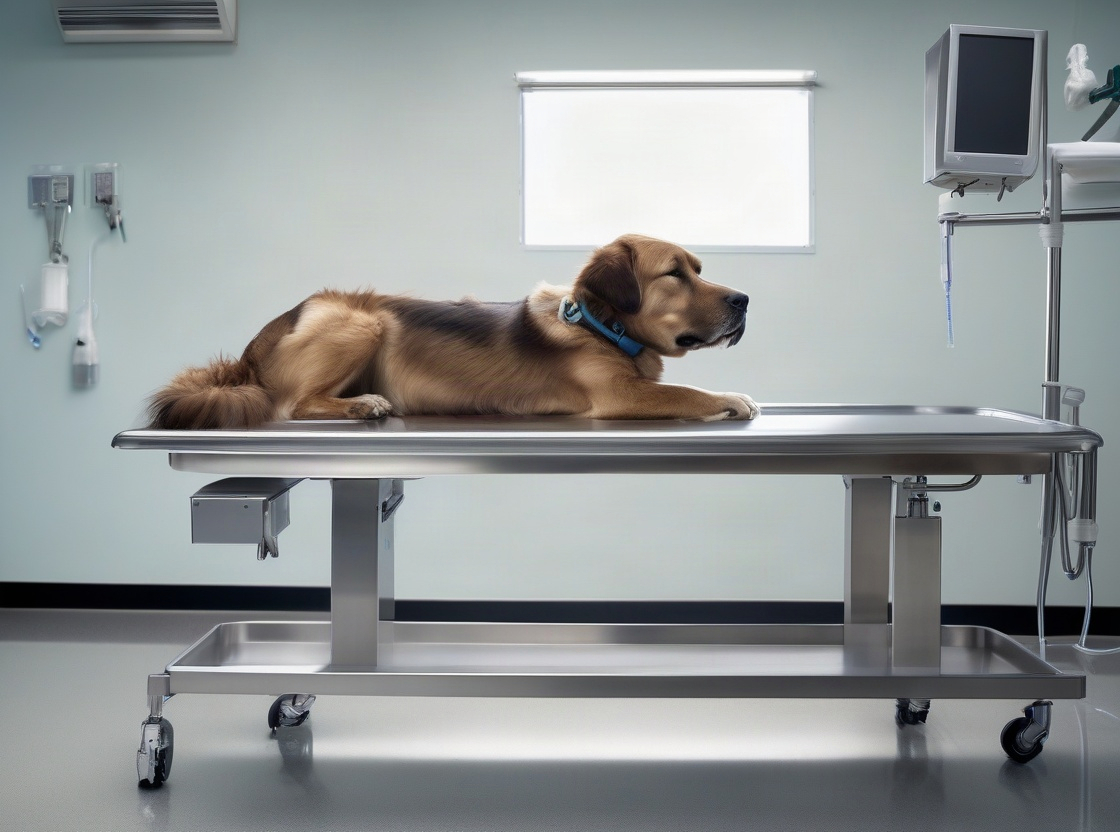
Medication is a veterinary decision, not a training one — the guide explains what it's actually for (lowering arousal enough that training can work at all) and what footage to bring to that appointment. The final lesson covers plateaus and relapse directly: a bad week after a good month is normal, and the guide gives you a recorded number to check it against instead of a feeling.
Takes you to the secure Whop checkout for the complete kit.
This is where buyer results will go once the guide has buyers. As of 2026-08-18 this account has sold zero units of this product, so nothing is written here. Nothing on this page is a number this business has not actually produced.
$49.95, against the alternative
A single session with a certified trainer or veterinary behaviourist runs $90–250 an hour, and most dogs need more than one. This is the same threshold-based protocol, written down once.
$49.95
Charged once. No subscription. 30-day refund on request.
- The full 53-page guide, nine lessons
- The companion checklist
- The audiobook
- The Absence Ladder tracker (spreadsheet)
Takes you to the secure Whop checkout for the complete kit.
This page describes a training protocol, not a medical treatment, and it is not veterinary advice. It does not promise a timeline or an outcome for any specific dog. A dog that is injuring itself, refusing food or water, or showing signs unrelated to being left alone needs a veterinary appointment, not a guide.